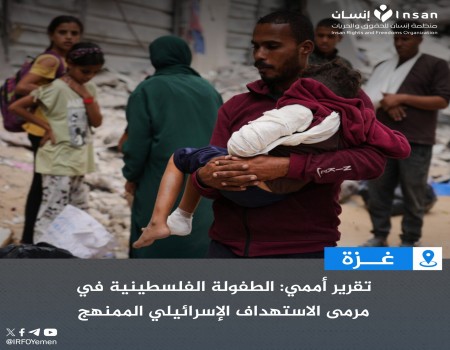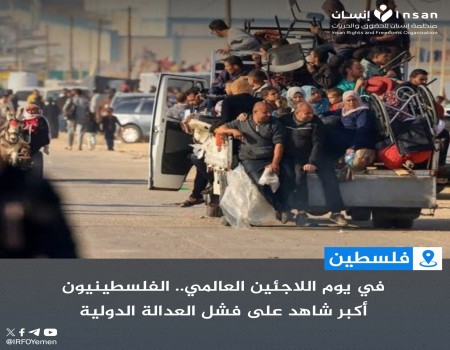
The humanitarian tragedy in Gaza continues to reveal its harshest faces, as every day new names are added to the death toll—children falling either to hunger or beneath the rubble of destroyed homes.
Through a systematic policy of blockade, starvation, and bombardment, the Israeli occupation is turning the lives of more than two million people into an open-ended tragedy marked by loss and suffering.
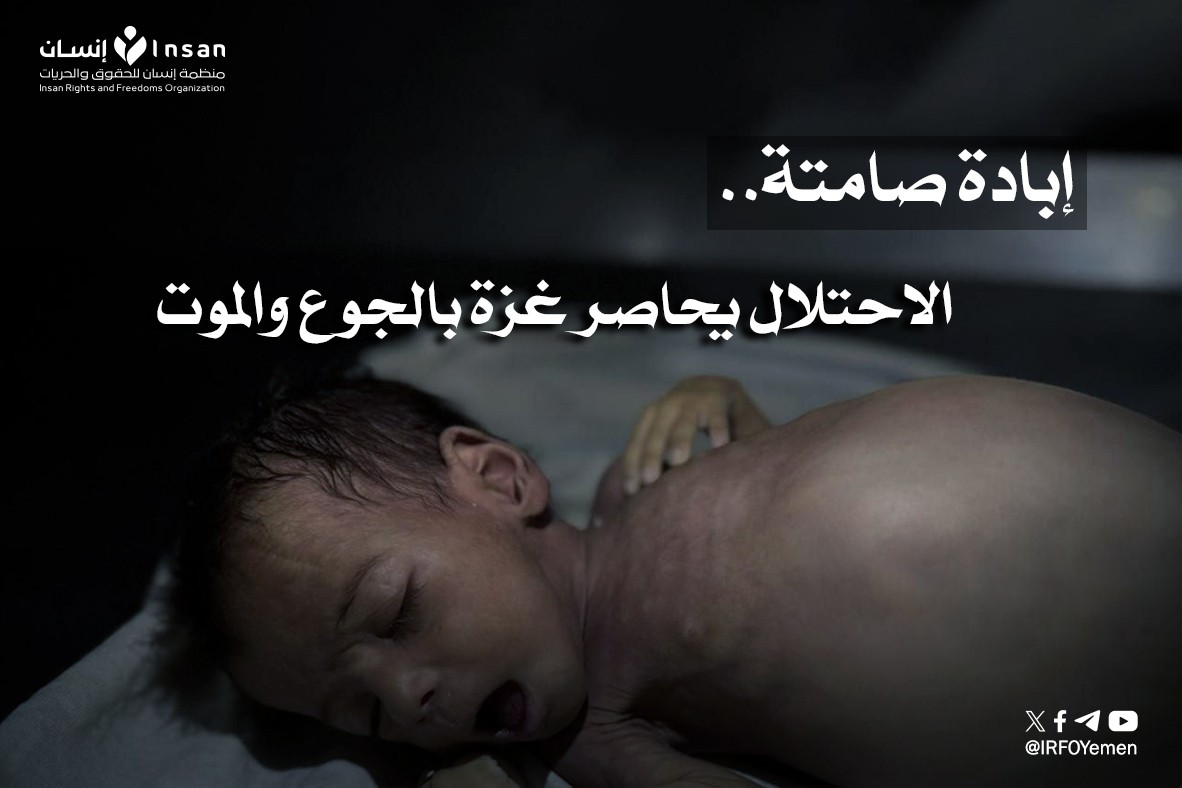
At Nasser Medical Complex in Khan Younis, five-month-old infant Ghadir Bureika took her last breath after a battle with malnutrition and deprivation of the necessary medical care since birth.
Just hours later, hospitals recorded the death of two-month-old Raseel Abu Masoud, for the same reason: hunger—now the deadliest weapon in this war of extermination.
These are not isolated cases but part of a recurring daily pattern. The Ministry of Health in Gaza confirms that the Strip is witnessing the death of 28 children every day—one child every 40 minutes.
So far, the death toll has risen to 273 victims due to hunger and malnutrition, including 112 children.
Behind every number lies a tragic story; behind every child, a painful farewell—mothers watching their babies wither in their arms, without medicine or food.
The Israeli blockade has not only destroyed Gaza’s healthcare system but pushed the Strip to the brink of what the Ministry of Health has described as a “total health genocide.”
The shocking figures reveal the scale of the disaster: 514,000 people in Gaza are already living in a state of famine, with projections indicating the number could surpass 641,000 by the end of September.
These indicators do not merely signify food deprivation—they mark the declaration of a slow war that kills children first, before consuming the entire society.
In the face of these multifaceted crimes—bombardment, blockade, and starvation—the world remains silent, while Gaza suffocates with its children, who have become the clearest symbol of this era’s tragedy, as the world limits itself to timid condemnations.