Israel continues its hostile approach with actions that heighten tensions and increase the risk of destabilizing the countries and peoples of the region.
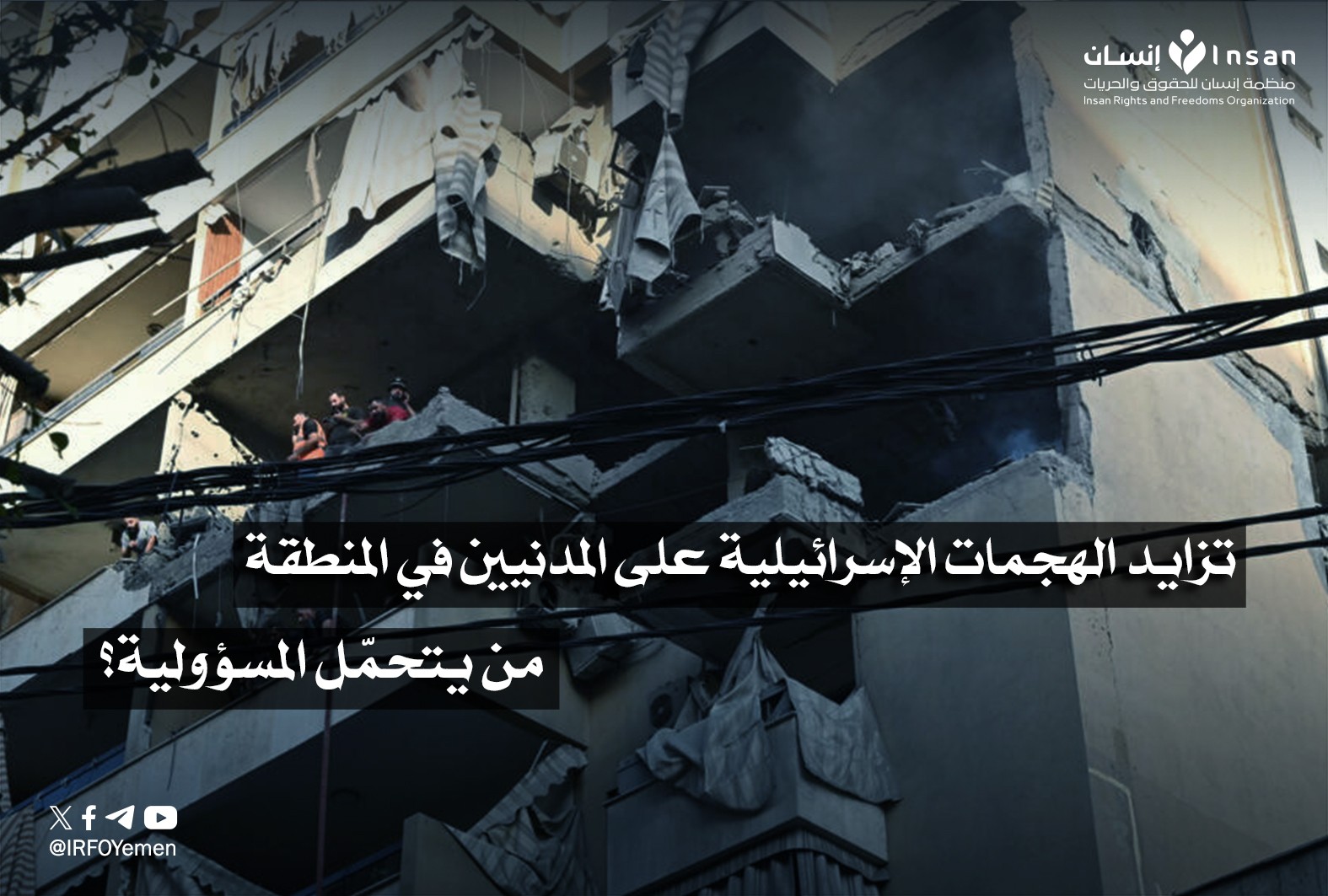
This afternoon, Israeli warplanes launched an airstrike on the Haret Hreik area in Beirut’s southern suburb, resulting in five martyrs and twenty wounded in an initial toll — a new escalation marking the first targeting of the suburb since last June.
Lebanese President Joseph Aoun said that Israel’s targeting of the southern suburb is further evidence that it disregards repeated calls to stop its aggressions.
He added that Israel refuses to implement international resolutions and rejects all efforts and initiatives aimed at de-escalation and restoring stability, renewing his call on the international community to assume its responsibilities and intervene forcefully to stop the assaults on Lebanon and its people.
For its part, Israel justified its airstrike by claiming it aimed to prevent Hezbollah from increasing its strength, although the strike hit a residential apartment rather than a military site — sparking widespread political and social condemnation.
Lebanese parties and movements, as well as groups in Yemen, Palestine, and Tunisia, condemned the attack, considering it a blatant violation of Lebanese sovereignty and a dangerous escalation aimed at dragging the region into a wider confrontation.
They pointed out that the attack targeted densely populated civilian areas and comes within a long series of aggressions against Lebanon, demonstrating that it is an act of organized, premeditated state terrorism, with indications of full coordination between the United States and Israel in an attempt to impose new rules of engagement through direct targeting of the Lebanese resistance and the country’s sovereignty.
Local and international parties expressing solidarity with Lebanon affirmed their full support for the Lebanese people and their right to defend their sovereignty.
Observers also linked this escalation to the widening scope of Israeli crimes in recent weeks from Palestine to Syria, Lebanon, Yemen, and Qatar, considering that this reflects broader regional risks that threaten regional stability.