Harsh chapters of human suffering continue to unfold in the lives of Palestinian prisoners, where the tragedy extends beyond the loss of freedom to include severe conditions that affect dignity as well as mental and physical health.
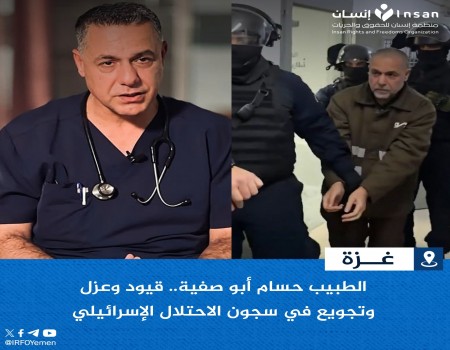
Mohammad Al-Ramlawi, one of those recently released from the Israeli Sde Teiman detention camp, recounts a testimony filled with shocking details about the early days of Dr. Abu Safiya’s detention.
He says he met him bearing visible signs of severe beating, summarizing his ordeal in brief words: “They humiliated me and beat me.” However, his account did not end there. He described scenes he called brutal, including the execution of five medical staff members in front of him, as well as violations against women inside Kamal Adwan Hospital.
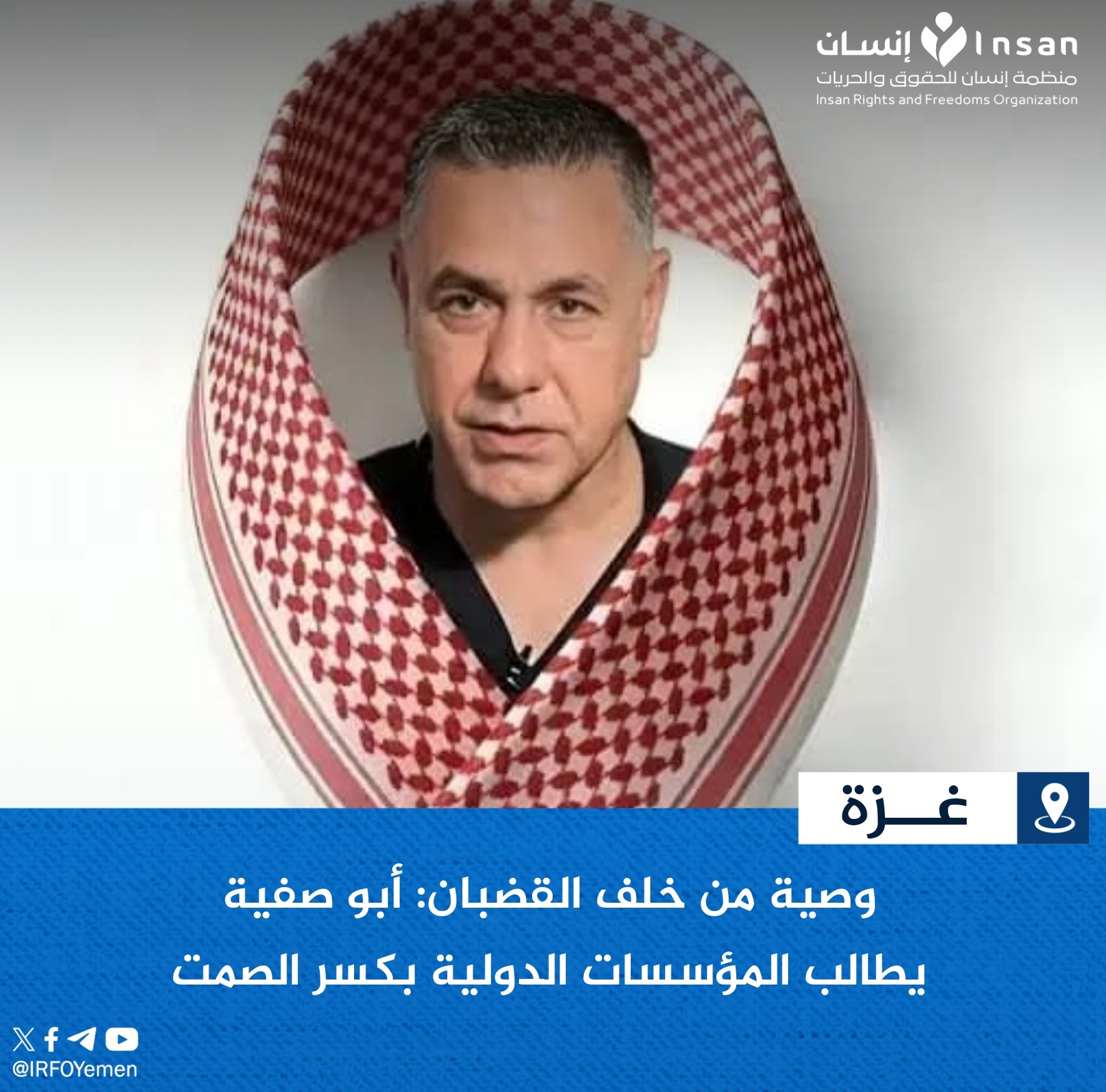
According to Al-Ramlawi, the meeting was not merely a recounting of suffering—it became an urgent message. As his release approached, Abu Safiya entrusted him with a clear plea: to inform his family not to remain silent and to push human rights organizations to take action and demand his release, amid growing fears for his fate.
In the same context, human rights sources reported that Abu Safiya’s health condition is “poor and concerning.” He has spent several weeks in solitary confinement without formal charges or a court ruling, and has been denied regular access to his lawyer.
Available information indicates a noticeable deterioration in his condition, including significant weight loss and worsening psychological distress due to detention conditions that involve various forms of torture.
This testimony reflects a broader reality faced by thousands of Palestinian prisoners, where human suffering intersects with a lack of legal guarantees and adequate healthcare.
Behind the walls of Israeli prisons, these stories remain a stark testament to a reality that demands serious action to ensure the most basic human rights for detainees.