After spending nearly twenty years in Israeli prisons, freed Palestinian prisoner Nadeem Awad believed that the moment of his release would mark the beginning of reclaiming the life and dignity that had been taken from him throughout the years of imprisonment.
But the reality he faced after his release was far harsher than he had imagined.
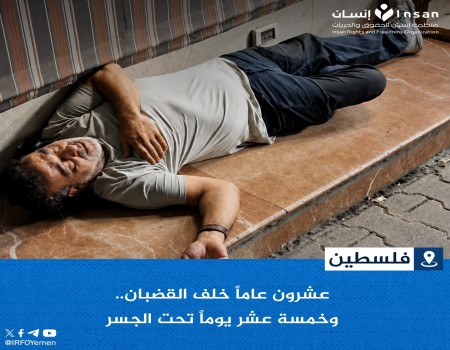
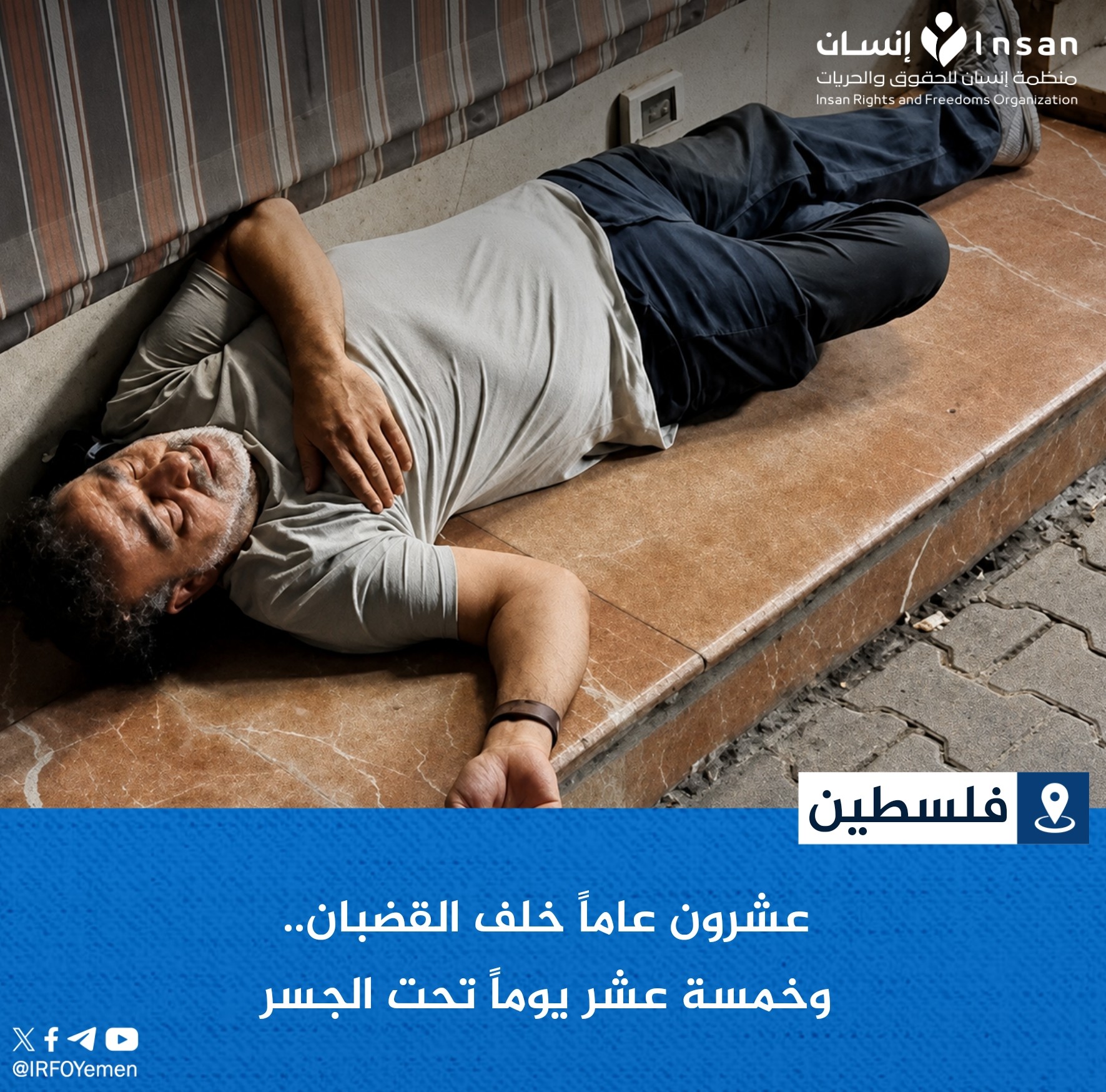
In a painful scene that moved many people, Awad, 52, was seen sleeping on the ground beneath one of Cairo’s bridges after he was unable to pay his rent and was forced to live on the streets for more than fifteen days. The image captures the suffering of a man who spent the prime of his life behind bars, only to find himself homeless after gaining his freedom.
Awad was released in October 2025 as part of a prisoner exchange deal before being deported to Egypt, far from his family and homeland. Since then, he has been struggling with severe financial hardship due to the suspension of his salary and financial entitlements, despite repeatedly contacting the relevant authorities, banks, and the Palestinian embassy, and completing all the required procedures and legal authorizations.
Awad is not demanding special privileges, but rather basic rights that would guarantee him a dignified life. The limited financial assistance received by some released and deported prisoners is insufficient to cover housing and living expenses, leaving them vulnerable to poverty and homelessness after many years of suffering behind bars.
The story of Nadeem Awad is not merely an individual case; it reflects the humanitarian suffering experienced by a number of released Palestinian prisoners living in exile, who found themselves after freedom facing harsh challenges that threaten their most basic human rights, foremost among them the right to housing and a dignified life.
Between yesterday’s prison cell and today’s sidewalk, one painful question remains: how can someone who spent twenty years of his life in captivity find himself without a roof over his head after finally gaining his freedom?